Finding white label dropshipping suppliers USA solves two problems at once. You get products branded with your logo while also dramatically cutting shipping times for American customers. No more explaining to buyers why their order takes three weeks to arrive.
Why Location Matters for White Label Products
Shipping speed has become a competitive necessity. Customers expect packages within days, not weeks. When your supplier operates from overseas, meeting those expectations becomes nearly impossible without expensive express shipping that destroys your margins.
Domestic suppliers change this equation entirely. Products stored in US warehouses reach most American addresses within two to five business days using standard shipping. Some suppliers with multiple fulfillment centers can deliver even faster to certain regions.
This speed advantage compounds when combined with white labeling. Customers receive professionally branded packages quickly, creating exactly the kind of experience that generates positive reviews and repeat purchases. The combination of your branding and fast delivery builds trust that generic overseas dropshipping cannot match.
What White Label Suppliers Actually Provide
White label differs from regular dropshipping in one critical way. Instead of products arriving in manufacturer packaging or plain boxes, items feature your branding. Your logo appears on labels. Your business name shows on packing slips. Some suppliers even offer custom packaging with your designs.
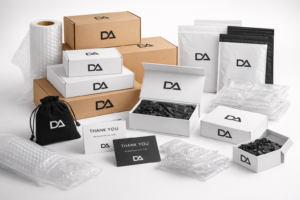
The level of customization varies between suppliers. Basic white labeling might include branded invoices and neutral packaging without supplier markings. Advanced options can include custom product labels, designed boxes, tissue paper with your logo, and thank you cards inserted with every order.
US-based white label suppliers handle production, storage, and fulfillment while you focus on marketing and sales. When orders arrive, they apply your branding and ship directly to customers. You never touch inventory, yet buyers receive packages that appear to come directly from your company.
Categories Where US White Label Suppliers Excel
Certain product categories have particularly strong domestic white label options.
Beauty and skincare lead the pack. Multiple US suppliers offer clean beauty products, cosmetics, and skincare items ready for white labeling. These suppliers often manufacture domestically, ensuring quality control and FDA compliance. Products ship within one to three days, perfect for customers who expect quick delivery of personal care items.
Supplements represent another strong category. US regulations around supplements make domestic sourcing attractive for compliance reasons. Several suppliers specialize in vitamins, protein powders, and wellness products with white label options and no minimum order requirements.
Coffee and specialty foods have established white label infrastructure in the US. You can launch a coffee brand with custom packaging and have orders roasted and shipped within days. The freshness advantage of domestic fulfillment actually improves product quality compared to overseas alternatives.
Apparel and accessories offer white label possibilities through print-on-demand services with US fulfillment centers. While not traditional white labeling, these services let you sell custom-designed products manufactured and shipped domestically.
Speed Advantages of Domestic Fulfillment
The numbers tell a compelling story. Overseas suppliers typically require fifteen to forty-five days for delivery using standard shipping. Express options exist but often cost more than the products themselves.
US-based suppliers routinely deliver within two to five business days. Some achieve next-day delivery to addresses near their warehouses. This speed comes at standard shipping rates, not premium prices.
Partners with optimized logistics and multiple warehouse locations can further reduce delivery times. Strategic fulfillment center placement means packages travel shorter distances, arriving faster while costing less to ship.
Faster delivery also means fewer customer service issues. Buyers tracking packages for weeks generate support tickets asking where their orders are. Quick delivery eliminates most of these inquiries, freeing your time for growth activities instead of damage control.
Quality Control Benefits
Working with US suppliers often means better quality oversight. Domestic manufacturers operate under American regulations and quality standards. Products go through established testing and compliance processes before reaching your customers.
Communication becomes simpler without language barriers or extreme time zone differences. When issues arise, you can discuss them in real time rather than waiting overnight for responses. This responsiveness helps resolve problems before they escalate.
Some US suppliers offer additional quality services. They inspect products before shipping, catching defects that would otherwise reach customers. This extra step protects your brand reputation and reduces returns.
Services providing dedicated support make quality communication even easier. Having a direct contact who understands your business and standards creates accountability that anonymous supplier relationships lack.
Cost Considerations
US-based suppliers typically charge more per unit than overseas alternatives. Higher labor costs and domestic manufacturing expenses get passed along in product pricing.
However, total costs often favor domestic suppliers when you factor in everything. Faster shipping means fewer refund requests from impatient customers. Better quality means fewer returns and replacements. Simpler communication means less time spent managing supplier relationships.
Shipping costs themselves may actually be lower. Domestic rates for standard delivery often beat international express rates needed to achieve comparable speeds from overseas suppliers.
Calculate your true costs across the entire fulfillment cycle, not just unit prices. The supplier charging slightly more per item might save money overall through better performance and fewer problems.
Finding the Right Supplier Match
Different products require different supplier specializations. A supplier excellent for supplements may know nothing about apparel. Beauty specialists might not handle electronics.
Start by identifying your product category, then research suppliers focusing on that space. Category specialists typically offer better products, more customization options, and deeper expertise than generalists trying to serve every niche.
Evaluate suppliers on criteria that matter for white labeling specifically. What branding options do they offer? What are the minimum orders for custom packaging? How quickly can they apply your labels and ship? These details determine whether a supplier actually supports your brand-building goals.
Request samples before committing. Seeing actual products with your branding applied reveals quality levels that photos and descriptions cannot convey. The investment in samples saves potential disasters from discovering problems after customers receive orders.
Building Your Brand Through Packaging
White labeling extends beyond just putting your name on products. The entire unboxing experience communicates your brand identity.
Consider what customers see when packages arrive. Plain brown boxes say nothing about your brand. Custom mailers with your logo create recognition before buyers even open anything. Tissue paper, stickers, and insert cards add touches that transform deliveries into memorable experiences.
Work with suppliers who offer packaging flexibility. Starting with basic branding and upgrading as you scale lets you test what resonates with customers before investing heavily in custom packaging.
Scaling With Domestic Suppliers
Growth creates new considerations for supplier relationships. What works at fifty orders monthly may strain at five hundred.
Discuss capacity with potential suppliers before partnering. Can they handle your projected volume? What happens during seasonal spikes? Understanding limitations upfront prevents disruptions when your marketing efforts succeed.
Partners offering scalable solutions grow alongside your business. Pricing often improves with volume, so understanding rate tiers helps forecast costs accurately.
Making the Local Choice Work
Choosing white label dropshipping suppliers USA positions your store for success in an increasingly competitive market. Fast shipping, quality products, and professional branding combine to create customer experiences that drive loyalty and growth.
The premium for domestic suppliers pays dividends through better reviews, fewer problems, and stronger brand perception. Customers remember fast delivery and professional presentation. They forget about the slightly lower price they might have paid elsewhere.
For sellers serious about building lasting brands, white label dropshipping suppliers USA provide the foundation that overseas alternatives simply cannot match.
Frequently Asked Questions (FAQs)
1. How Much More Do US White Label Suppliers Cost Compared to Overseas Options?
Expect to pay twenty to fifty percent more per unit from US suppliers compared to overseas manufacturers. However, when factoring in shipping costs, return rates, and customer satisfaction impacts, total costs often end up similar or even favor domestic options.
2. What Minimum Orders Do US White Label Suppliers Typically Require?
Requirements vary significantly by supplier and product type. Many modern suppliers offer no minimums for basic white labeling, letting you start with single units. Custom packaging and extensive branding typically require larger commitments, sometimes one hundred units or more.
3. How Long Does It Take to Set Up White Labeling With a New Supplier?
Basic setup with existing products can happen within days. Custom packaging and product labeling typically requires two to four weeks for design approval and production. Plan accordingly if launching with fully customized branding from day one.
4. Can I Use Multiple White Label Suppliers for Different Product Categories?
Yes, many successful stores work with specialized suppliers for different product lines. A beauty supplier for skincare, a separate supplier for supplements, and another for apparel is common. Managing multiple relationships adds complexity but optimizes quality and options.
5. What Happens if a US Supplier Runs Out of Stock on My Products?
Communication practices vary by supplier. Good partners notify you proactively when inventory runs low. Others update stock levels in real time through integrated systems. Clarify inventory management procedures before committing to avoid selling products you cannot actually deliver.


 13 minutes
 30 January 2026

 Email
Email 

 13 minutes
 30 January 2026